RIDDLEFINCHChapter II · 1400 – 1900 CE · Plates 06–14
Renaissance Architecture
Humanism, Grandeur, and the Theatrical Flourish
Beginning in 15th-century Florence, architects revived antiquity through humanism, pioneering mathematical perspective, bilateral symmetry, and ordered rustication. This mastery evolved into Baroque theatricality, Rococo delicacy, and Victorian revivals.
Domestic design became a grand celebration of craft, featuring hand-carved stone cartouches, steep cross-gabled roofs, stained glass transoms, and wrap-around verandas designed for leisure and social presentation.
15th – 17th Century • Florence, Venice, Rome, Veneto
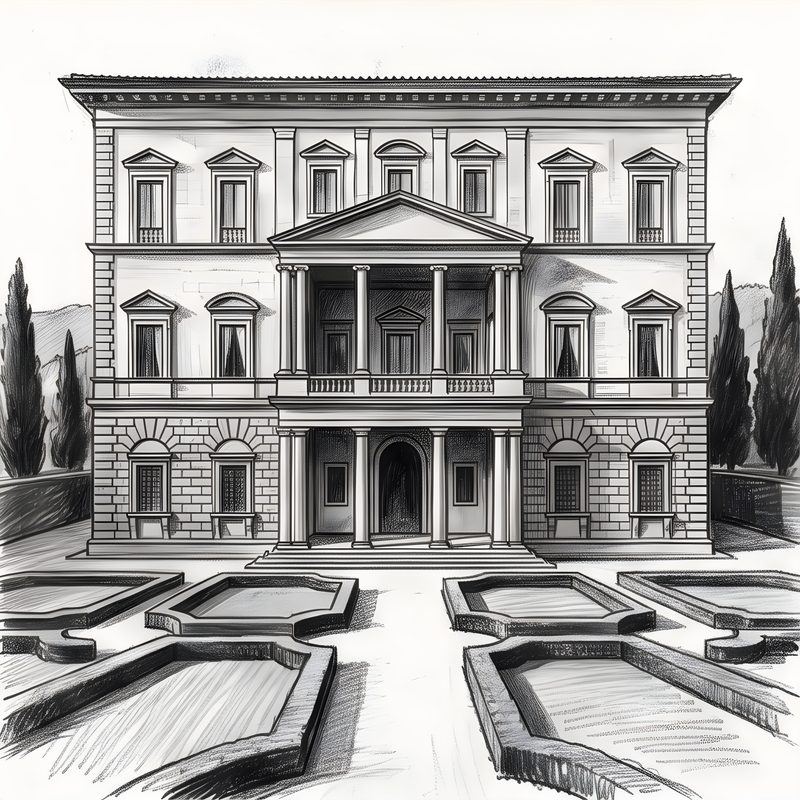
Renaissance masters looked back to antiquity to establish a human-centered architecture grounded in geometry, balance, and harmonic proportion. Villas by Palladio and Florentine palazzi celebrated calm order, proportioned courtyards, and classical orders.
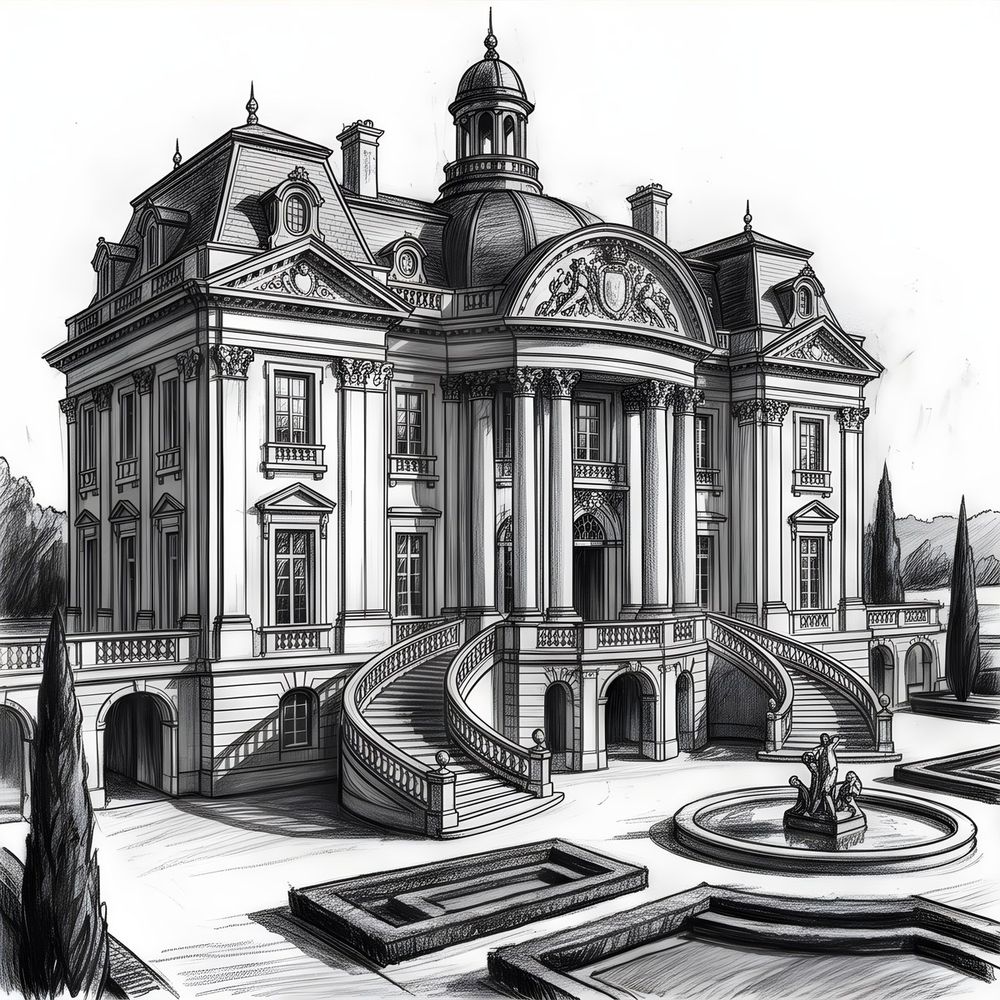
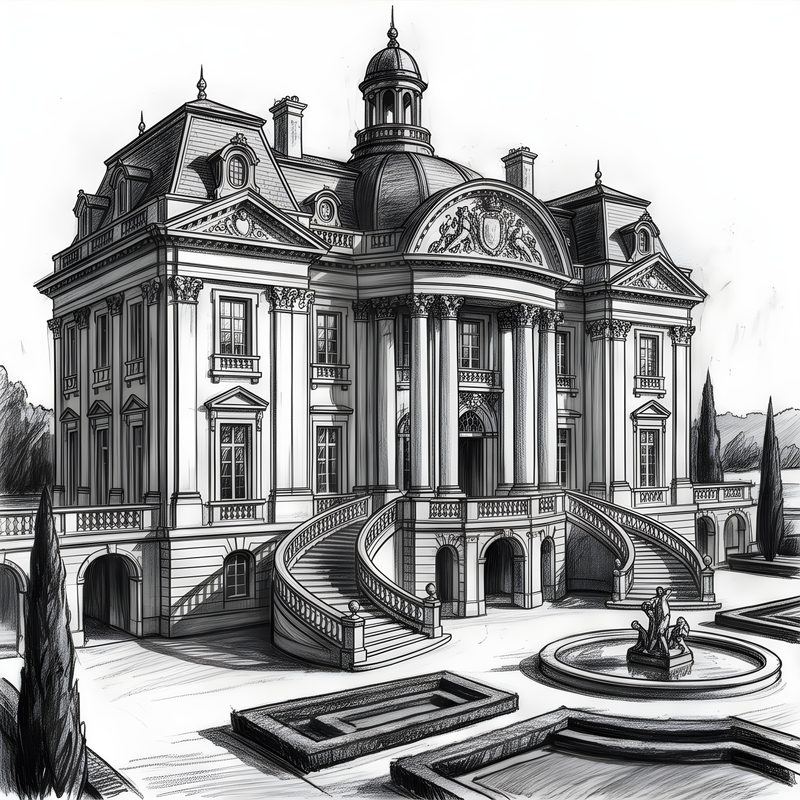
Baroque architecture transformed classical geometry into dynamic theatrical spectacle. Undulating curved walls, colossal columns, and dramatic sculptural flourishes were designed to inspire awe, emotion, and grand arrival sequences.
Early to Mid 18th Century • Paris, Bavaria, Vienna
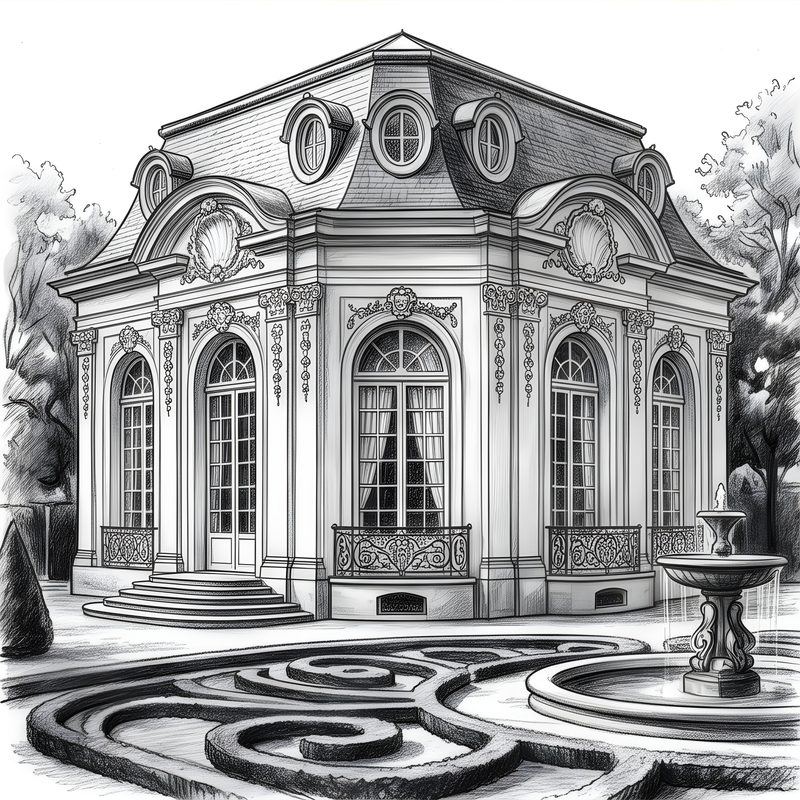
Moving away from the heavy solemnity of Baroque state palaces, Rococo embraced lightness, intimacy, and playful organic whimsy. Pavilion residences were designed for garden entertainment, with flowing pastel facades and exquisite ironwork.
Mid 18th – Early 19th Century • London, Paris, St. Petersburg, Virginia
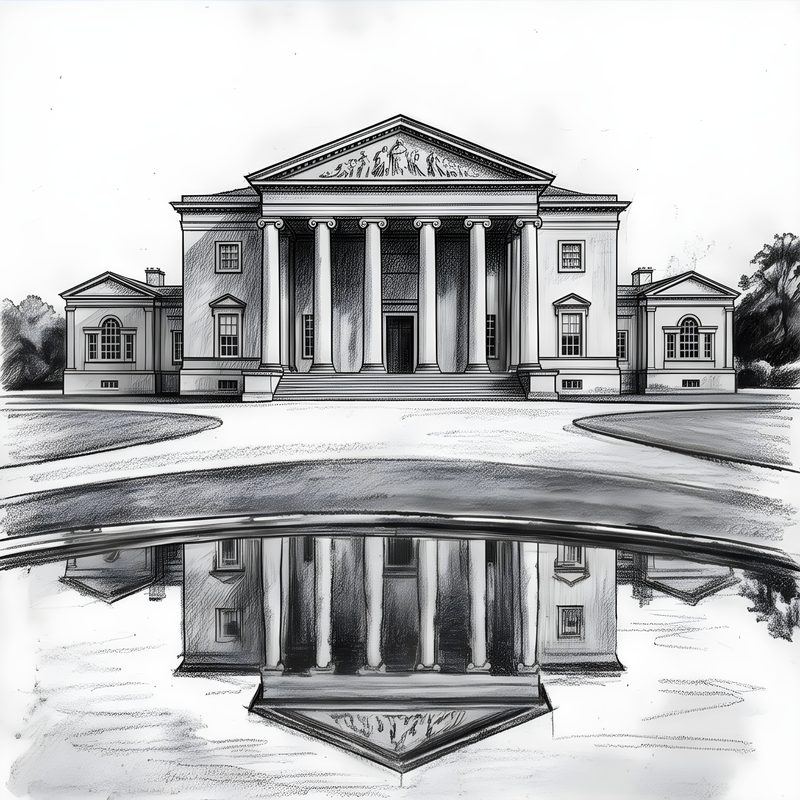
Fueled by the archaeological discovery of Pompeii and Herculaneum, Neoclassicism rejected Rococo excess in favor of dignified civic restraint, pure geometric forms, and monumental columned porticoes.
1714 – 1830 • London, Bath, Edinburgh New Town, Dublin
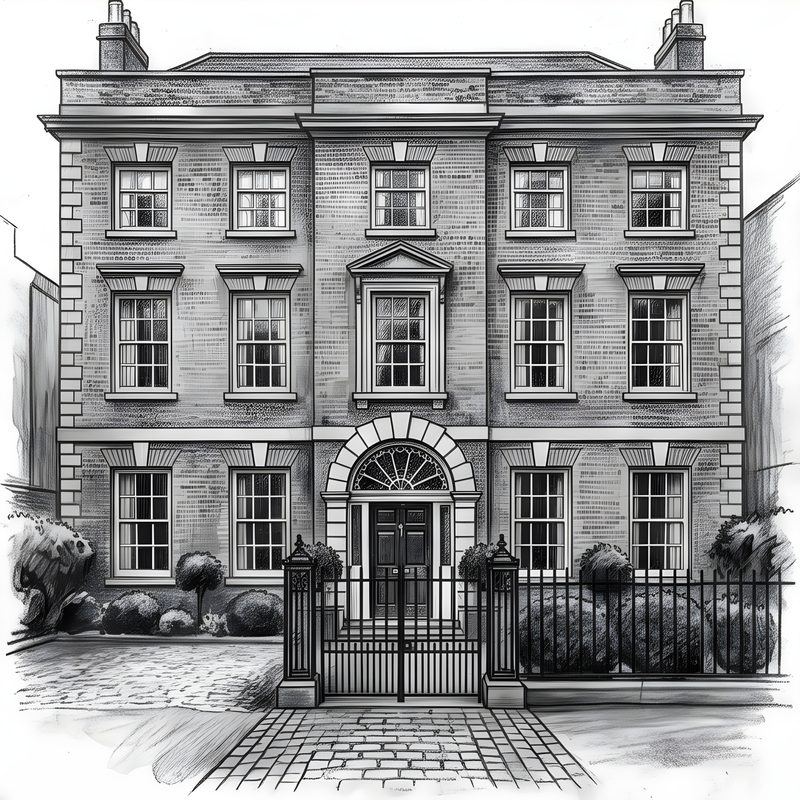
The hallmark of British restraint and civic elegance, Georgian architecture perfected the five-bay symmetrical facade. With calibrated sash windows and fanlit doorways, it defined London squares, Bath crescents, and countryside estates.
1780 – 1830 • Boston (Beacon Hill), Salem, Charleston, Philadelphia
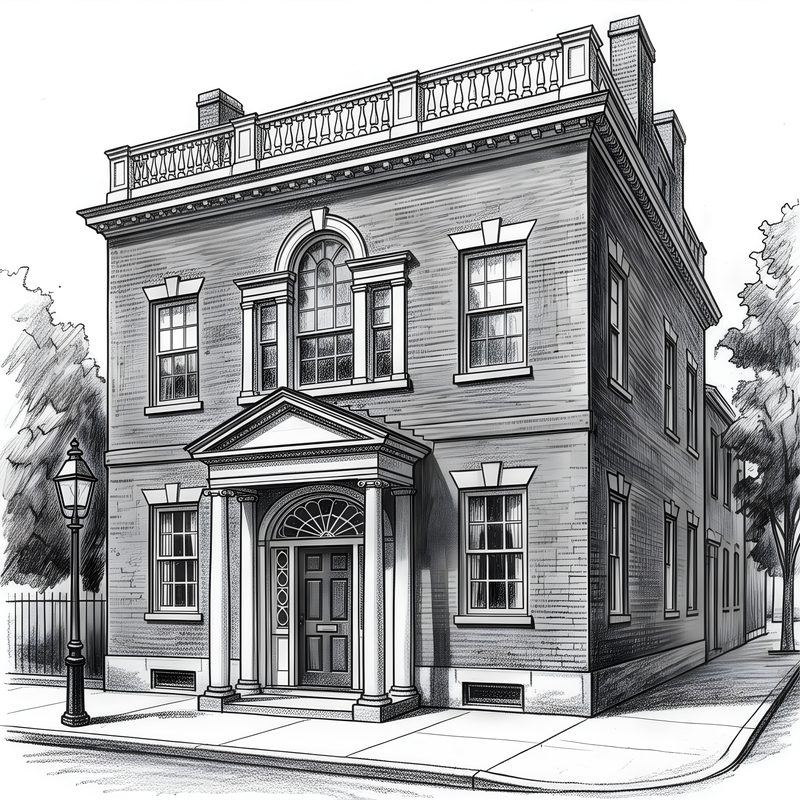
Developed in the newly independent United States, Federal style infused Georgian architecture with delicate Neoclassical motifs inspired by Robert Adam. Residences featured lighter proportions, graceful fanlights, and refined wood carvings.
1837 – 1901 • San Francisco, London, Cape May, Melbourne
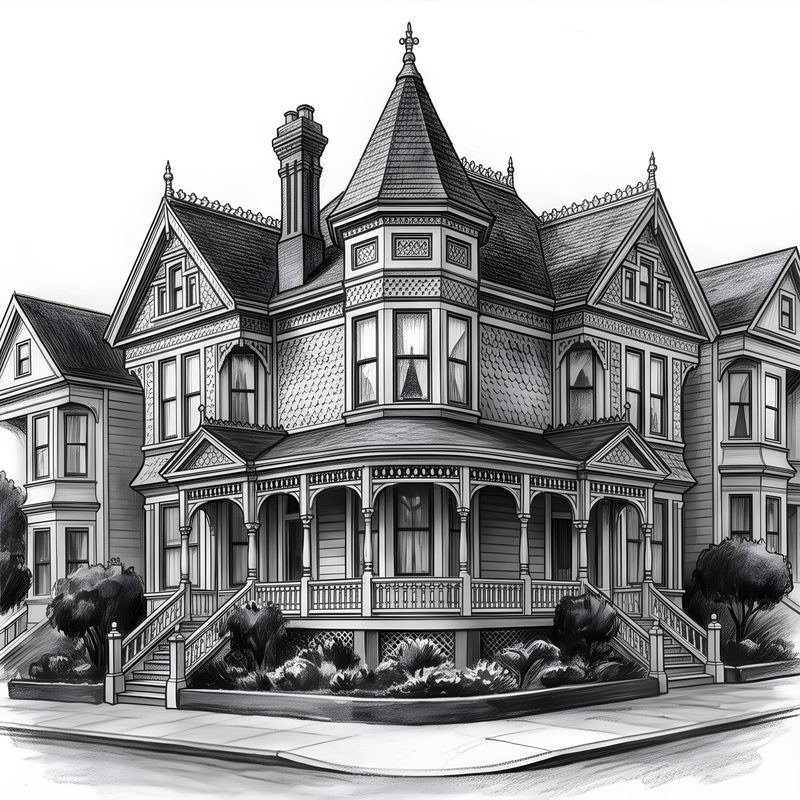
The industrial revolution enabled mass-manufactured architectural woodwork, giving rise to the exuberant, storybook Queen Anne Victorian. With wrap-around porches, corner turrets, and fish-scale shingles, these houses celebrated craftsmanship and individuality.
1840 – 1880 • Hudson Valley, Cotswolds, New England, Bavaria
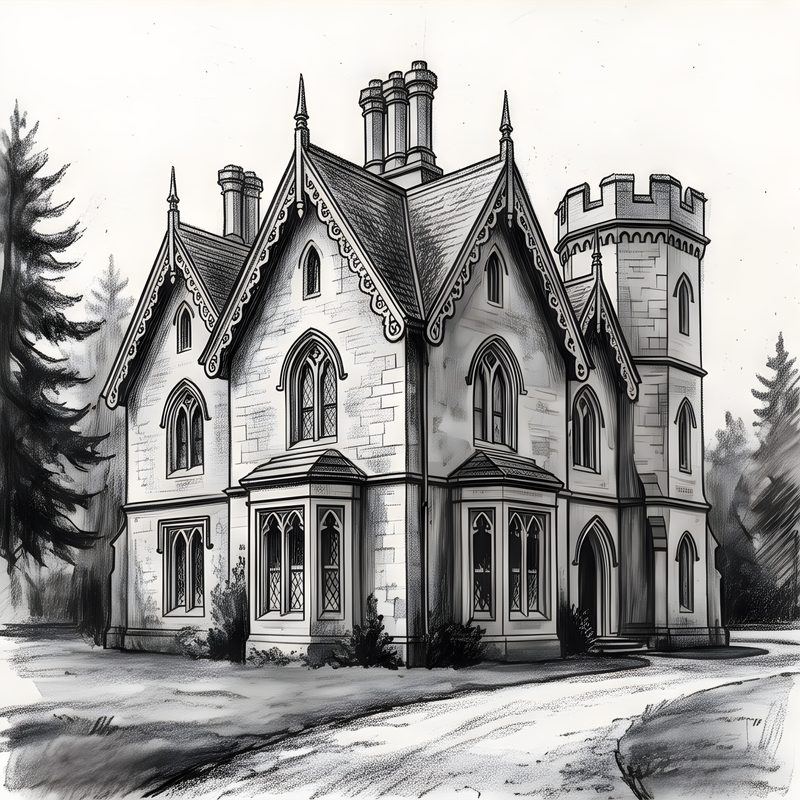
Gothic Revival was a romantic rebellion against classical symmetry, celebrating picturesque asymmetry, soaring vertical lines, and intimate harmony with wild woodlands. Residences featured storybook vergeboards and diamond-pane lancet windows.
1885 – 1920 • New York (Fifth Avenue), Newport, Paris, Chicago
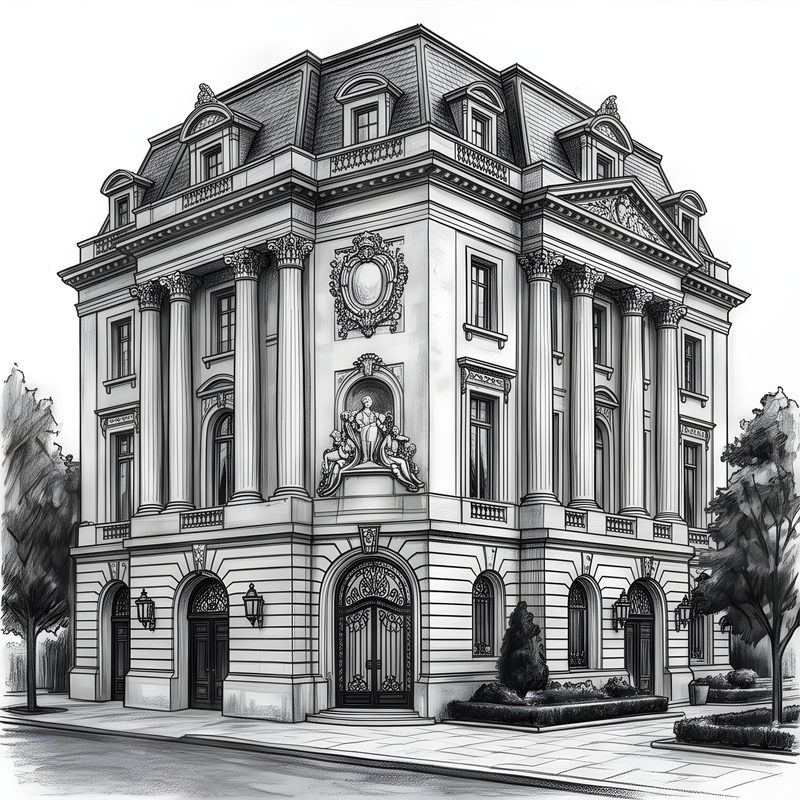
Trained at the École des Beaux-Arts in Paris, American Gilded Age architects created monumental residential palaces for industrial magnates. Combining French Renaissance grandeur with Roman scale, these limestone mansions embodied lavish civic presence.