Form Follows Function, Light, and Geometric Liberation
The 20th century transformed building, moving from the flowing ornament of Art Nouveau and the glamour of Art Deco to industrial steel frames, reinforced concrete, and expanses of plate glass that revealed the pure beauty of volume, light, and structural truth.
Mid-century post-and-beam designs dissolved boundaries between indoor living rooms and outdoor gardens, while sculptural concrete and clean cantilevered planes established a new standard for modern domestic life.
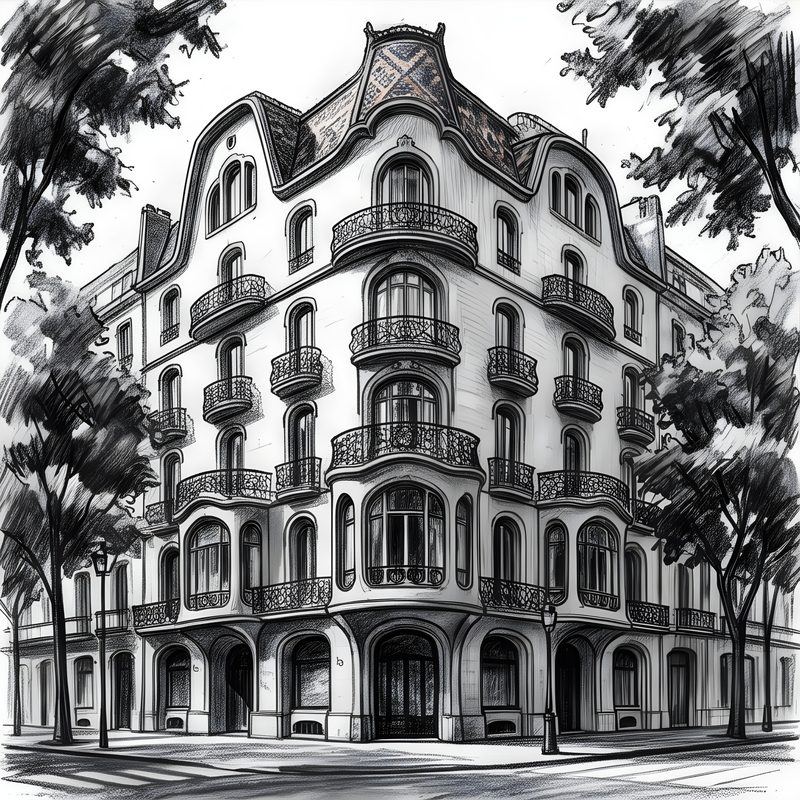
Art Nouveau rejected historical copyism, drawing inspiration directly from dynamic natural forms. Architects transformed stone, iron, and glass into organic whiplash curves, blooming flowers, and flowing water motifs.
1920 – 1940 • Miami Beach, Los Angeles, Paris, New York
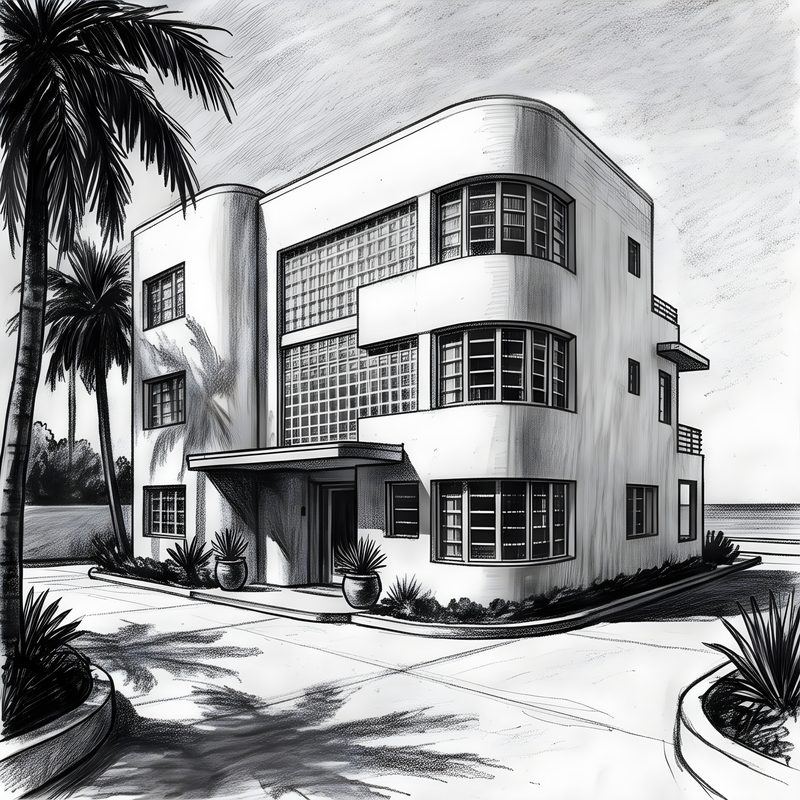
Embodying the machine age and transatlantic luxury, Art Deco and Streamline Moderne paired aerodynamic nautical curves with bold geometric ornament, stepped towers, and gleaming chrome accents.
Founded on the principle that “form follows function,” the Bauhaus movement stripped architecture to its elemental essence: clean cubic volumes, steel-framed ribbon windows, and light-filled open spaces free from historic decoration.
1920s – 1960s • Paris (Villa Savoye era), Stuttgart, New Canaan (CT), Plano (IL)
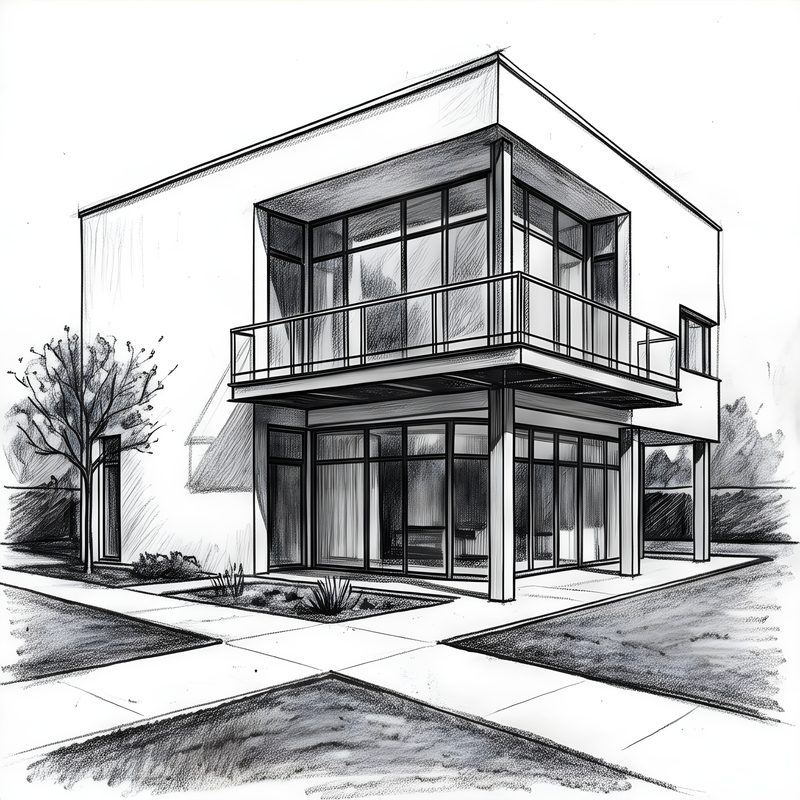
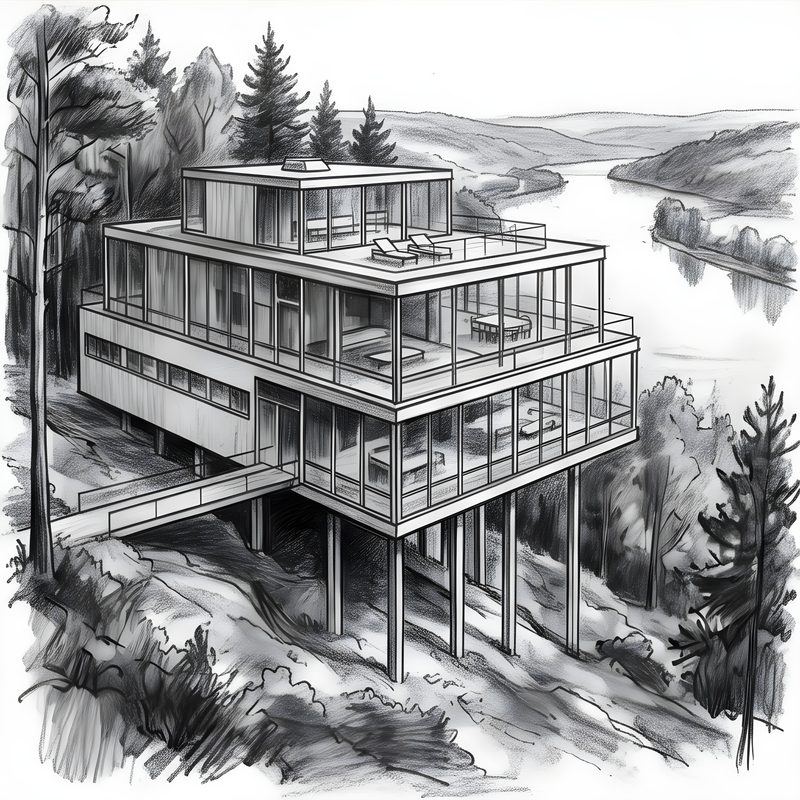
The International Style represents the pinnacle of industrial transparency. By utilizing steel skeletons and glass walls, architects liberated the interior from load-bearing walls, creating a seamless “inside-out” living experience that prioritizes light, air, and structural lightness.
1945 – 1969 • Los Angeles (Case Study Houses), Palm Springs, New Canaan, Seattle
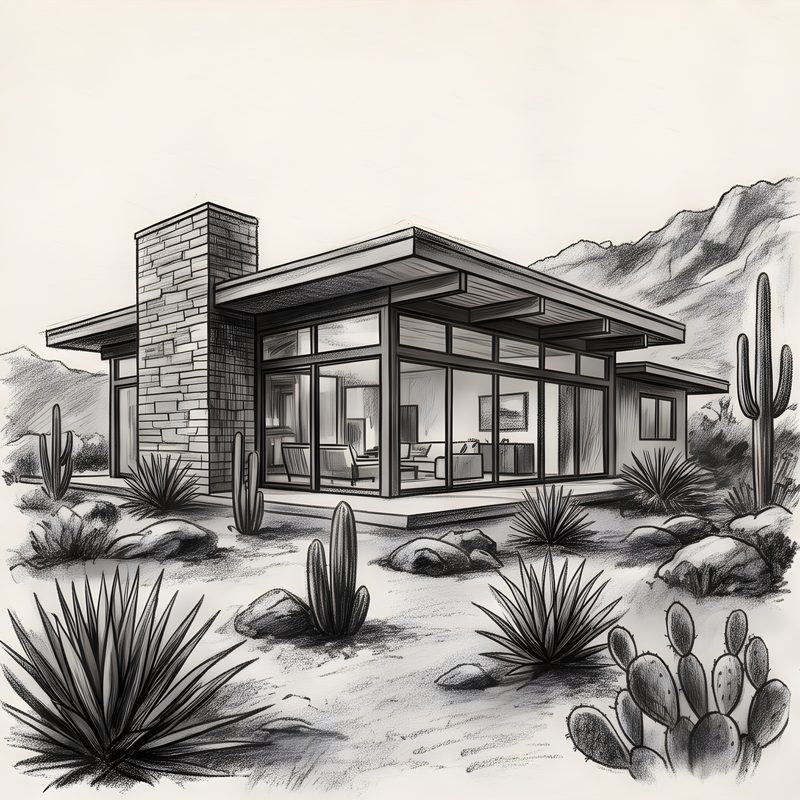
Post-war modernism dissolved the barrier between interior shelter and outdoor living. Utilizing post-and-beam construction, tongue-and-groove cedar ceilings, fieldstone hearth walls, and reflection pools, architecture became a serene celebration of sunlight and landscape.
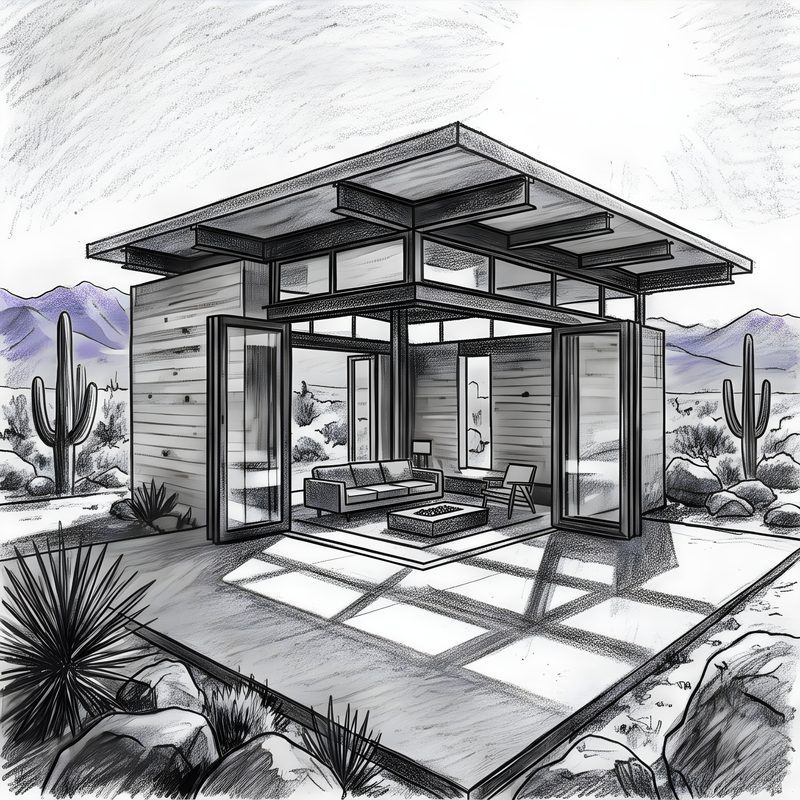
Tailored for the extreme climate of the Coachella Valley, Desert Modernism combined industrial materials like corrugated steel and breeze block with native desert boulders, framing mountain vistas while shielding interiors from the blazing sun.
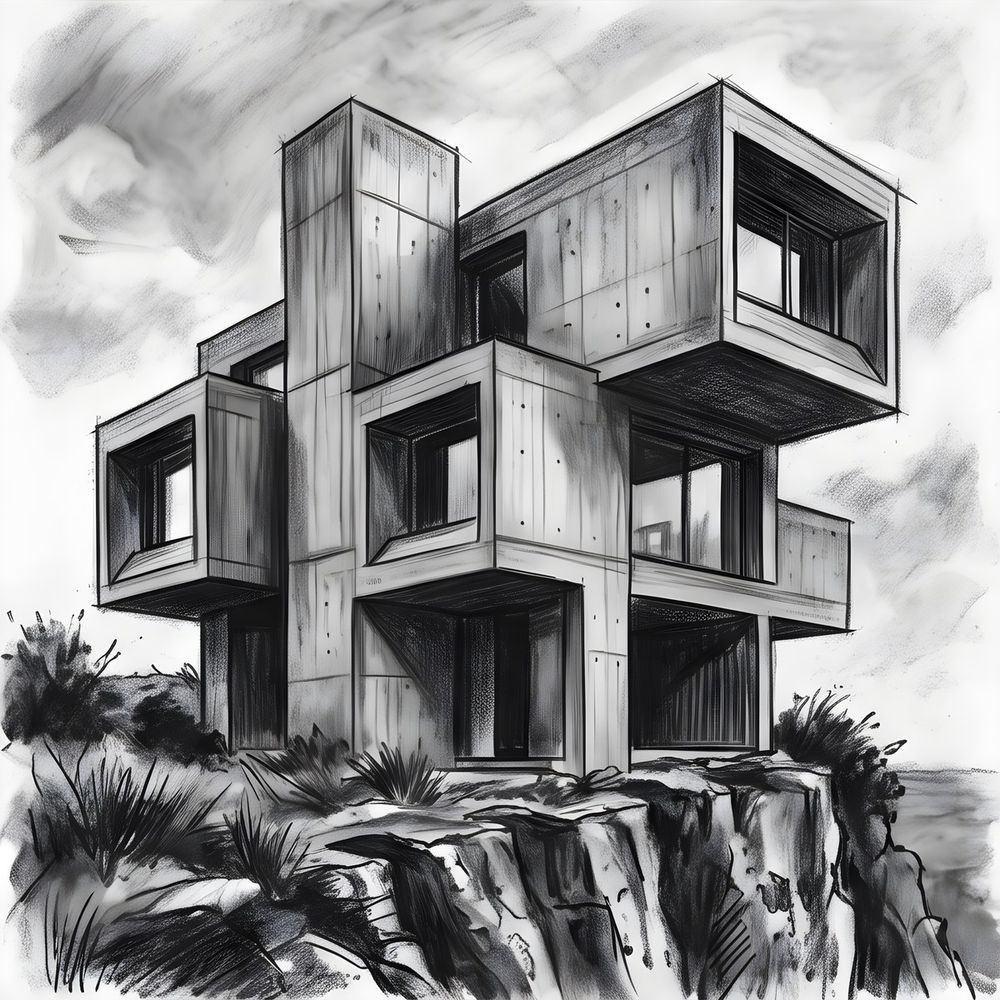
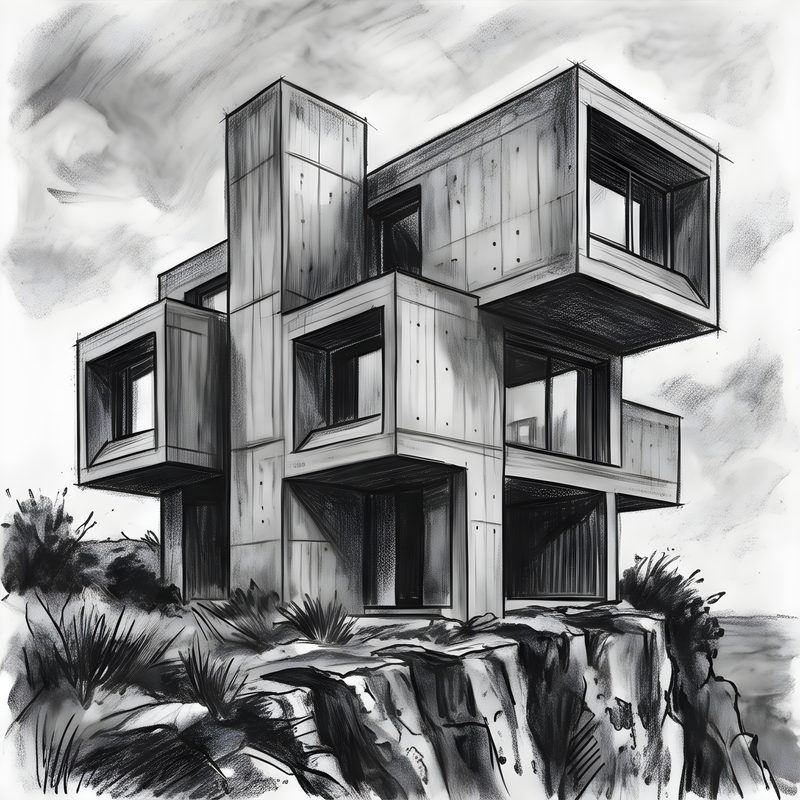
Brutalism celebrated the monumental power, texture, and structural honesty of poured concrete (béton brut). Residences became heroic architectural sculptures with daring cantilevers, deep shadow recesses, and board-formed textures.
1930 – 1970 • Helsinki, Stockholm, Copenhagen, Oslo
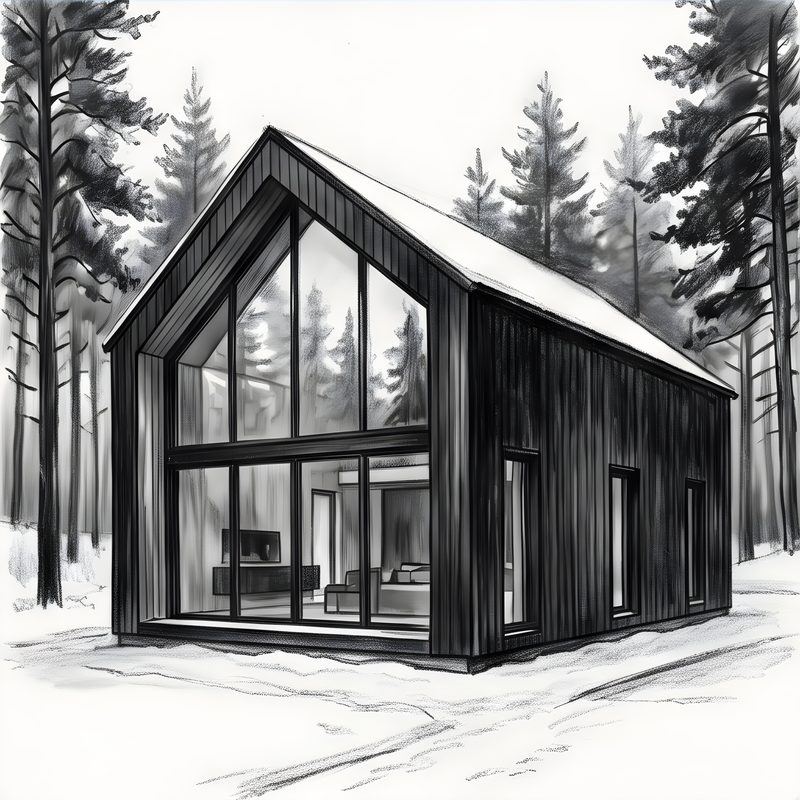
Led by Alvar Aalto, Scandinavian Modernism softened the cold machine aesthetic of early functionalism with natural timber, curving wooden ceilings, handmade bricks, and skylights calibrated to capture soft Nordic light.
1935 – 1975 • Big Sur (CA), Carmel, Scottsdale, Malibu
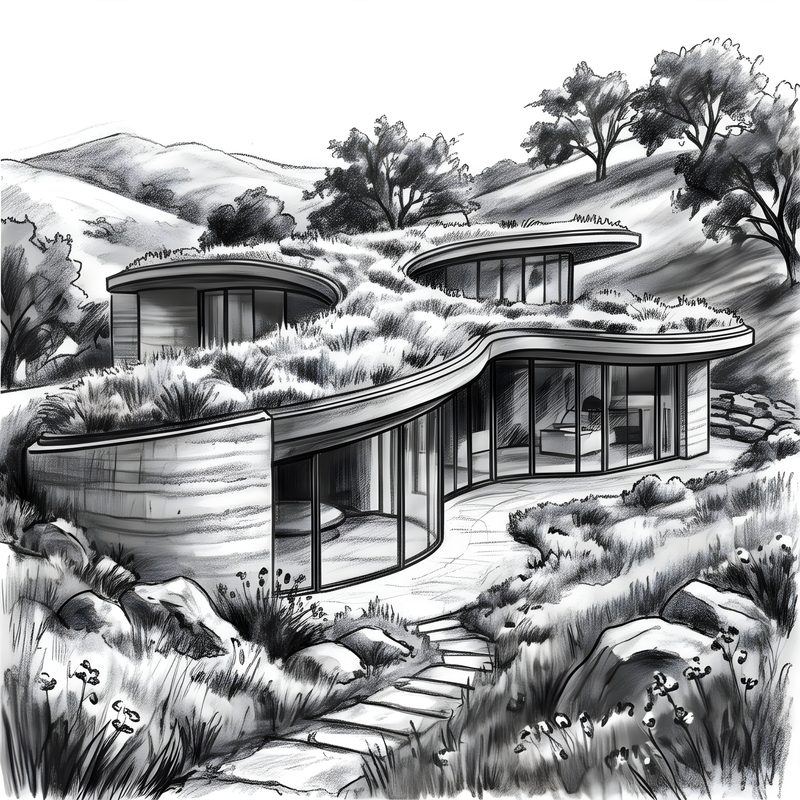
Organic Modernism treated architecture as an extension of the earth itself. Roofs curved like breaking waves or unfurling leaves, glass walls dissolved into cliff edges, and native boulders flowed directly into living rooms.